Autumn: Fashion Through the Decades
A Nostalgic Look at Autumn Style
I touched on Autumnal fashion in my previous post – Autumn:A Season to Gather and Let Go. But I am so fascinated by it that I delved a little deeper…
Autumn has always been a season of reflection – a time when the world slows just enough for us to notice colour, texture, and detail. For makers and artists, it’s also a season of inspiration: the layered fabrics of a coat, the muted gold of falling leaves, the worn softness of a vintage scarf can all find their way into journal pages, collages, or textile experiments. Fashion, in this sense, is not just clothing; it’s a palette, a texture, and a story waiting to be captured on paper or fabric.
There’s something timeless about autumn fashion. Each year, as the air turns crisp and the light softens, we reach instinctively for layers, textures, and warmth – not just for comfort, but for the quiet pleasure of dressing for the season. Autumn style has always carried a sense of reflection. It’s a pause between the brightness of summer and the simplicity of winter – a moment for deep colours, heavier fabrics, and thoughtful details.
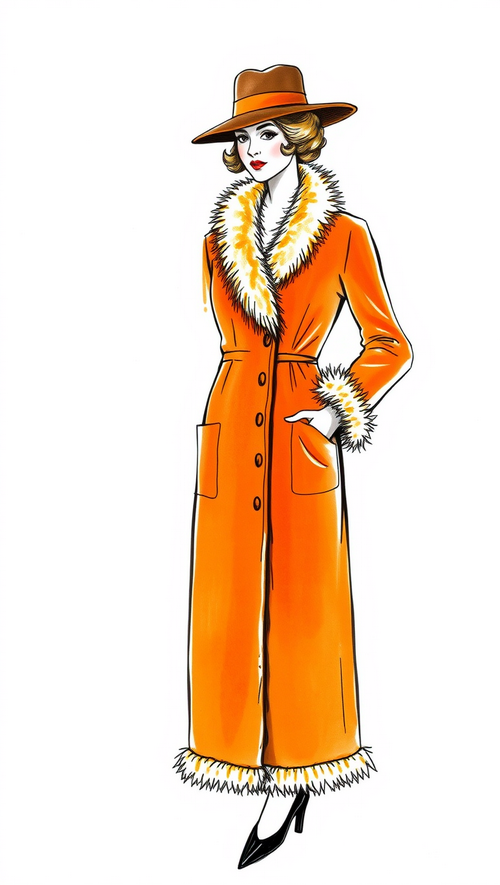
Looking back through the decades, autumn has always inspired fashion in its own way.
In the 1920s, the flapper’s straight silhouette was softened by long coats, cloche hats, and fir trim. The tones of russet, olive, and gold echoed the countryside walks of a changing world – where women were beginning to embrace independence, both in life and in their wardrobes.
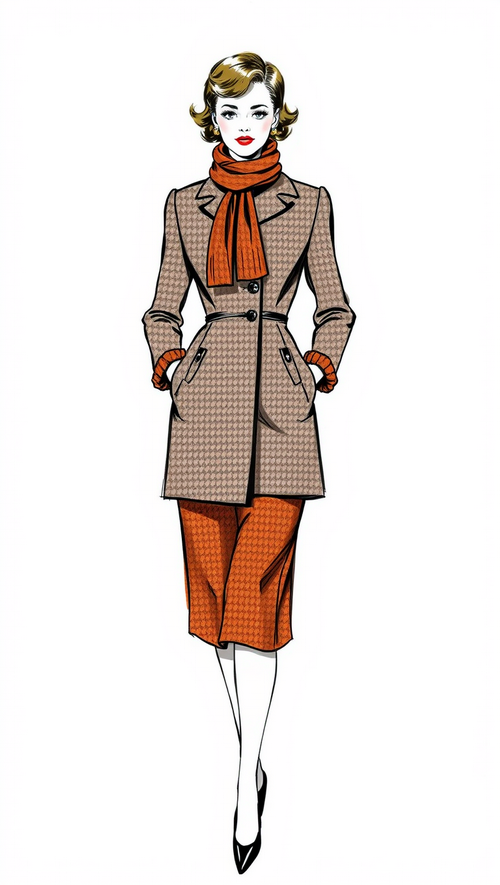
By the 1940s, with rationing and repair, autumn style became practical yet quietly elegant. Wool skirts, tailored jackets with shoulder pads, and sensible shoes spoke of resourcefulness. Yet even then, a handmade brooch, a carefully darned cardigan, or a flash of lipstick added that touch of spirit – small acts of beauty in uncertain times.
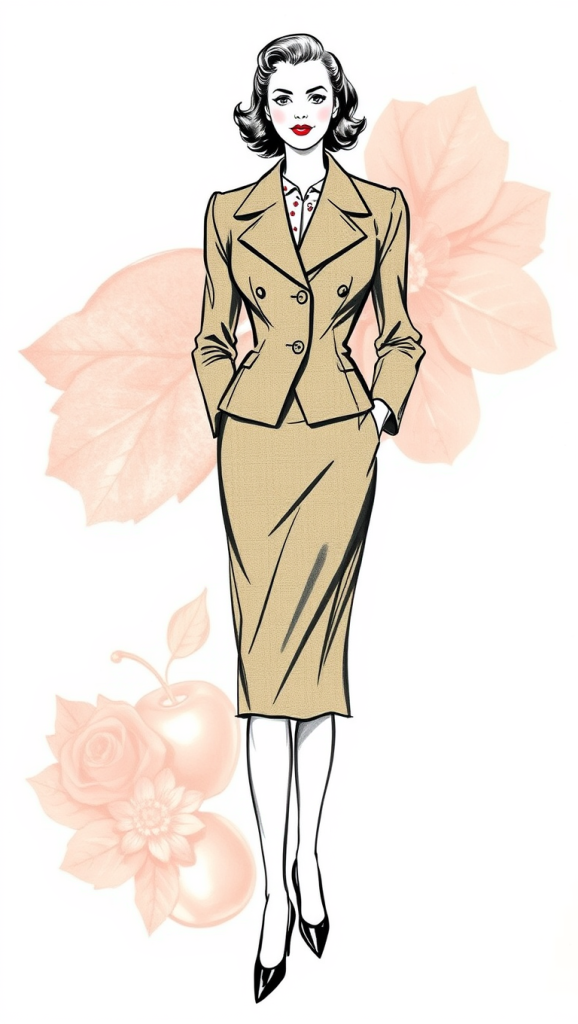
The 1950s brought structure and grace: full skirts in plaid or tweed, fitted coats, and matching gloves. Autumn fashion turned romantic again, often inspired by Hollywood – think of brisk walks in swing coats and scarves tied under the chin.
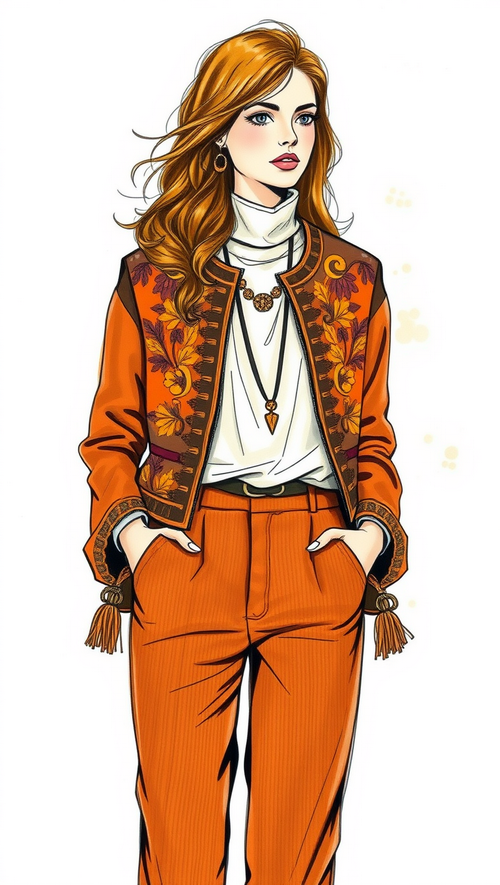
In the 1970s, autumn style became bohemian – corduroy, suede, and folk-inspired embroidery. The season’s palette matched the decade perfectly: burnt orange, chocolate brown, and mustard yellow. It was earthy, creative, and free.
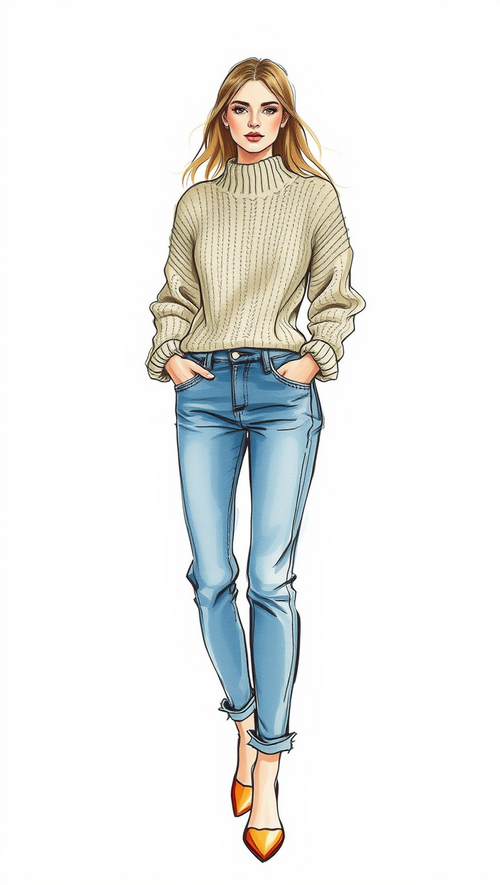
And by the 1990s, we saw a return to simplicity – soft knits, vintage finds, and layers that told their own quiet stories. The spirit of autumn, always evolving yet somehow constant, remains a reflection of who we are: thoughtful, transitional, embracing change.
Today, as makers and artists, we still draw on these histories – those fabrics, cuts, and tones that evoke memory. The muted rusts of an old trench coat, the pattern of a plaid skirt found in a vintage shop, or the worn softness of corduroy – they remind us that fashion, like art, is cyclical and deeply human.
For creative journaling, collage, or textile work, autumn fashion offers a world of inspiration. A swatch of tweed can become a page corner, a photo of a vintage coat might spark a colour palette for your next project, and a carefully pressed leaf beside an old scarf can tell a story as vividly as any fabric or paper. In celebrating these layered decades, we honour not just style, but texture, mood, and the quiet artistry of everyday life.
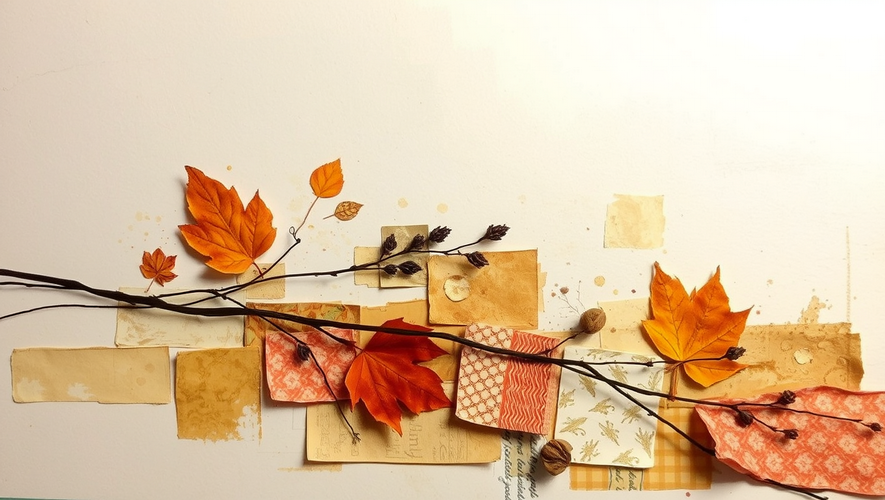
As the leaves turn this Autumn, look around – in fabrics, colours, and layers – for inspiration. Capture a llittle of each decade, each texture, each story in your own journals and collages.